
Business has always been about more than profit—it’s about creating value, solving problems, and improving lives. As the global economy evolves, so do the principles and practices that drive successful enterprises. The 21st century has brought with it technological revolutions, shifting consumer expectations, and a stronger focus on ethics and sustainability. Businesses that thrive in this new era are those that understand one core truth: adaptability and innovation are no longer optional—they’re essential.
This article explores the future of business, examining how technology, leadership, and social responsibility are reshaping the way organizations operate and compete in a rapidly changing world.
The Digital Transformation of Business
Technology has become the heartbeat of modern business. The rise of artificial intelligence (AI), automation, blockchain, and data analytics has transformed how companies function, communicate, and make decisions. Businesses are now able to predict consumer behavior, optimize operations, and improve efficiency in ways that were unimaginable a decade ago.
Digital transformation isn’t just about adopting new tools—it’s about rethinking the entire business model. For example, e-commerce giants like Amazon and Alibaba have redefined retail, while fintech startups are challenging traditional banking systems with faster, more customer-friendly services. Cloud computing allows even small businesses to access global markets and scale rapidly without massive upfront costs.
In this era, data has become the new currency. Companies that can effectively gather, interpret, and use data to improve customer experience and decision-making will have a clear competitive advantage. However, with great data comes great responsibility. Businesses must also prioritize cybersecurity and ethical data usage to maintain trust in an increasingly digital world.
Innovation as the Core of Competitiveness
Innovation is no longer confined to R&D departments—it’s a mindset that must flow through every aspect of an organization. Whether it’s through new products, creative marketing, or streamlined processes, innovation fuels long-term success.
The world’s most successful businesses—Apple, Tesla, Google, and others—have one thing in common: they anticipate customer needs before those needs even exist. They don’t wait for trends; they create them. In the post-pandemic landscape, innovation also means flexibility. Companies that could pivot quickly—adopting remote work models, online sales channels, and virtual customer engagement—were able to survive and thrive.
Startups, in particular, have become the laboratories of innovation. They often disrupt entire industries with bold ideas and agile approaches. Meanwhile, established corporations are increasingly collaborating with startups through accelerators and incubators, recognizing that innovation is a collective effort in a globalized economy.
The Rise of Sustainable and Ethical Business Practices
In today’s world, success isn’t measured solely by financial performance. Consumers, investors, and employees are demanding that companies take responsibility for their environmental and social impact. The rise of ESG (Environmental, Social, and Governance) principles marks a shift toward purpose-driven business.
Sustainability is not just a moral obligation—it’s good business. Companies that adopt sustainable practices often enjoy cost savings through energy efficiency, better brand loyalty, and access to new markets. For instance, brands like Patagonia, IKEA, and Unilever have built their reputations around environmental stewardship and ethical sourcing.
Similarly, social responsibility has become a major factor in corporate reputation. Businesses that prioritize diversity, fair labor, and community engagement are more likely to attract top talent and loyal customers. The modern consumer prefers brands that align with their personal values.
In this sense, ethical business is the future of business. Profit and purpose can, and must, coexist.
Leadership in the Modern Business Era
As the business world evolves, so does the definition of leadership. The old model of top-down management is being replaced by collaborative, empathetic, and inclusive leadership styles. Modern leaders inspire rather than dictate; they build teams that innovate, take risks, and learn from failure.
Empathy and emotional intelligence are now considered essential leadership skills. In a time when mental health and work-life balance are increasingly valued, leaders must prioritize the well-being of their employees. A company’s culture directly affects its productivity and creativity. When people feel valued, they perform better.
Moreover, remote and hybrid work environments demand new management approaches. Leaders must learn to maintain engagement, accountability, and trust across digital spaces. Clear communication and a shared vision are vital in keeping teams connected and motivated.
Ultimately, great leaders understand that their most valuable asset isn’t technology or capital—it’s people. Empowered employees drive innovation and growth far more effectively than rigid hierarchies ever could.
The Role of Small Businesses and Entrepreneurship
While large corporations dominate global headlines, small and medium-sized enterprises (SMEs) remain the backbone of most economies. They create jobs, stimulate innovation, and adapt quickly to local market needs.
The entrepreneurial spirit has never been stronger. The internet has democratized business creation—anyone with an idea and determination can reach a global audience. From local artisans selling on Etsy to software developers launching startups, entrepreneurship has become both a creative outlet and a powerful economic force.
However, competition is fierce. Success requires more than a great product; it demands strong branding, customer connection, and resilience. Entrepreneurs must embrace continuous learning, digital tools, and networking to survive in fast-paced markets.
Governments and investors play a crucial role in supporting this ecosystem by providing funding, mentorship, and infrastructure for innovation. When small businesses thrive, society thrives.
Globalization and the Future Market
Globalization has interconnected markets like never before. Businesses now operate in an environment where supply chains span continents, and products designed in one country are manufactured and sold in another.
This interconnectedness brings both opportunities and risks. Companies can reach wider audiences but must also navigate cultural differences, trade policies, and global economic fluctuations. The COVID-19 pandemic exposed the vulnerabilities of global supply chains, prompting businesses to rethink logistics and resilience strategies.
The future of globalization lies in regionalization—a model where businesses balance global reach with local adaptation. Companies that can think globally but act locally will maintain stability and relevance in changing times.
The Future of Work: Automation, AI, and Human Potential
Automation and AI are transforming the nature of work. Machines can now perform repetitive tasks faster and more accurately, allowing humans to focus on creativity, strategy, and innovation. While some fear job displacement, history shows that new technologies often create new types of work.
The challenge lies in reskilling and upskilling the workforce to meet the demands of the digital economy. Businesses that invest in employee development will not only stay competitive but also build loyalty and resilience.
Hybrid work models—combining remote flexibility with in-person collaboration—are also shaping the future of employment. This shift allows companies to attract global talent while giving employees a better work-life balance.
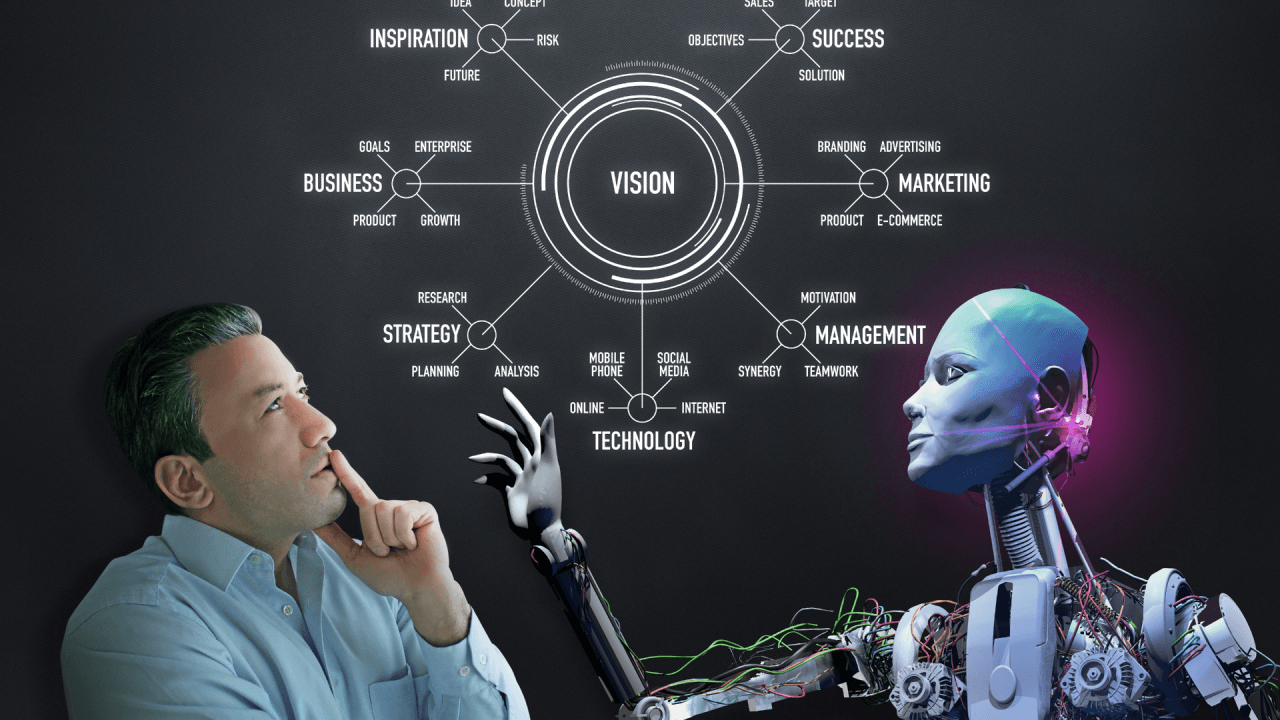
In the coming decades, the most successful businesses will be those that combine human creativity with technological precision—a partnership between man and machine that drives innovation forward.

Conclusion: The Human Side of Business
The future of business is fast, digital, and competitive—but it is also deeply human. No matter how advanced technology becomes, the heart of every successful company will always be its people, values, and vision.
Innovation will continue to reshape industries, but ethics, empathy, and adaptability will define which businesses endure. Companies that balance profit with purpose, efficiency with compassion, and technology with humanity will not only thrive but also make the world better.
Business, at its best, is a force for good—a way to create opportunity, inspire progress, and shape a sustainable future. In an age of change, the businesses that remember their human roots will lead the way into a brighter, more connected world.